
The Danish election is decided on TikTok - here is what Swedish politicians can learn
Today, the Danes head to the polls for the general election. It will be decided whether the Social Democratic Prime Minister Mette Frederiksen receives renewed confidence, or if the "blue block" takes over. It is close, incredibly close.
What is certain, however, is that the election is being decided on TikTok - or at least the battle for young voters. Unlike their Swedish colleagues, several Danish politicians have mastered the art of reaching the youth without being classified as "boomers." While several Swedish parties opted out of TikTok during this year's election campaign, the Danish parties that seriously invested in the platform are getting great rewards.
The most successful party leader on TikTok is Alex Vanopslagh from Liberal Alliance, who has achieved near-cult status among young voters. The party had a disastrous last election but now looks set to become the largest among the youth and double its seats in the Folketing.
By recording sketches, making fun of himself, and conveying politics with humor, Vanopslagh has built a large and dedicated following. Another successful politician is Rosa Lund from the Red-Green Alliance (Enhedslisten). She uses well-known trends to communicate about gender equality or mocks her political opponents' proposals. What is behind their success?
Beyond understanding TikTok's mechanisms, the recipe for success is authenticity. They don't make the classic mistake of trying to "talk to youth in a youth's way." Instead, they are personal and dare to show a sense of self-deprecation. Even if everything is constructed by the communication staff, it doesn't feel calculated.
They have also realized that the focus should be on building trust and creating interest in the representatives, not blaring out the party program. Politics is always present but remains secondary. One can discuss how healthy such intense personality focus is in politics, but it delivers results.
An important question remains: what do platforms like TikTok do to the political conversation? The space for nuance and depth is almost non-existent. Yet, politicians must be where the voters are. Hopefully, other parties are busy analyzing how they can change their political communication to become relevant to young voters. If you need inspiration, just look to your Danish colleagues.
Joakim Johansson CEO of Obeya in Copenhagen.
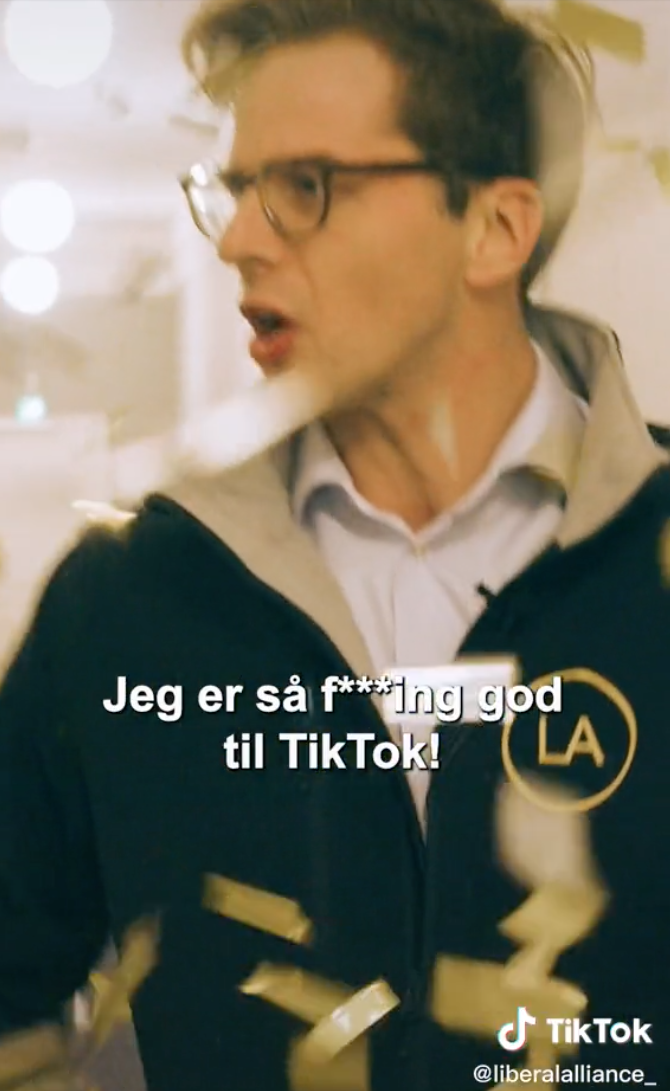
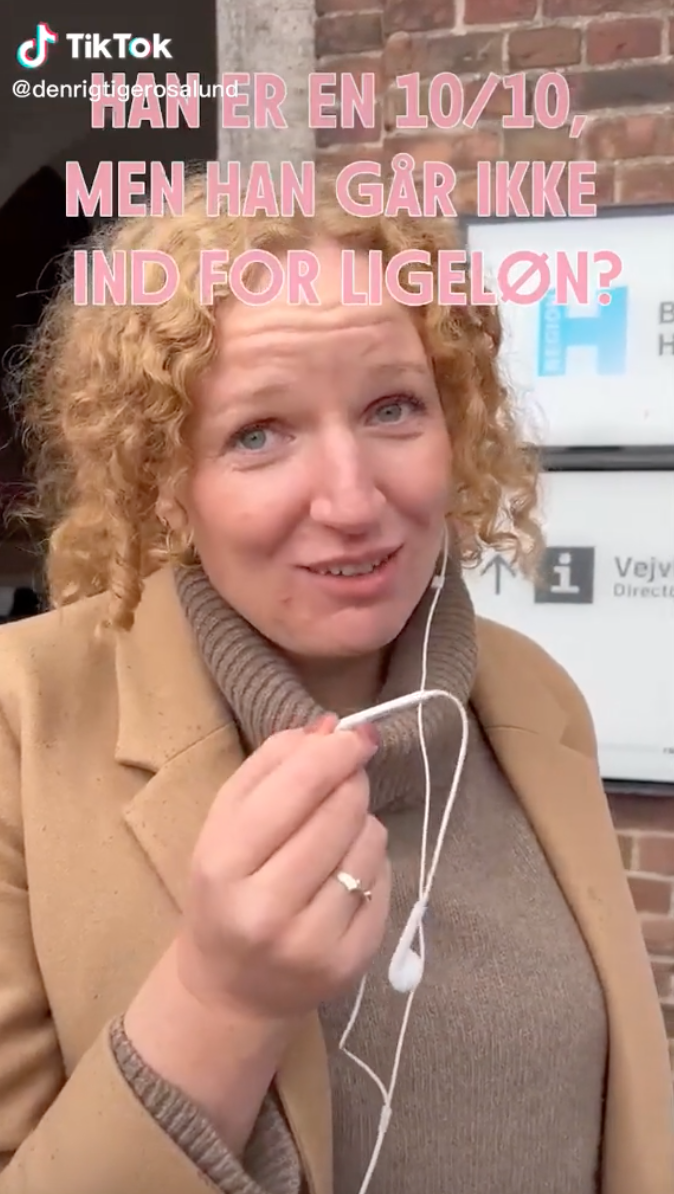
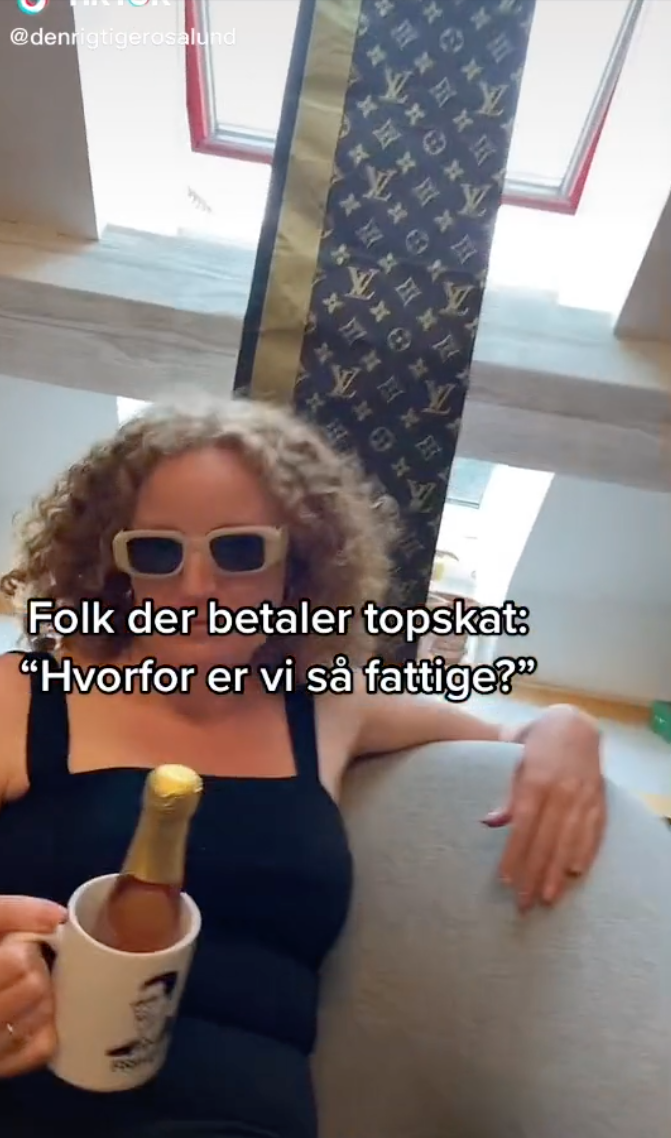
Pictures from @liberalalliance och @denrigtigerosalund